Interested in moving to the City of Oaks? This guide breaks down the cost of living in Raleigh, NC, with details about rent, utilities, transportation, and more.
Raleigh, North Carolina, continues to grow for a reason. The city blends a fast-moving tech economy with a friendly, livable pace, and renters often find that the cost of living sits in a comfortable middle ground. Before you pack your bags, it helps to understand what everyday expenses look like.
This guide breaks down the cost of living in Raleigh in 2025 and shows what you can expect as you budget for a new start in the City of Oaks.
Cost of Living in Raleigh, NC
What is the Cost of Living in Raleigh, NC?
Raleigh offers a moderate cost of living compared to larger East Coast metros. Housing tends to be the biggest factor for most renters. Average one-bedroom rent sits at $1,540 and typical home prices are around $427,000. Groceries, utilities, and transportation costs usually track close to national averages.
Lower property taxes and a strong local job market add to the overall appeal, creating a balanced cost structure for many renters.
Cost of Living in Raleigh vs. North Carolina vs. the U.S.
Cost of Living
Raleigh
North Carolina
U.S.
Overall
105.8
91.0
100.0
Grocery
100.6
96.5
100.0
Health
94.8
107.2
100.0
Housing
118.8
83.1
100.0
Median Home Cost
$427,000
$289,300
$338,100
Utilities
99.1
99.2
100.0
Transportation
88.6
83.9
100.0
Miscellaneous
109.7
89.2
100.0
Where is the Cost of Living Highest in Raleigh, NC?
Downtown Raleigh is one of the city’s pricier areas, especially for renters who want walkability and proximity to nightlife, restaurants, and offices. According to internal Apartment List data:
One-bedrooms: $1,150 to $3,050 (average: $1,882)
Two-bedrooms: $1,700 to $4,200 (average: $2,860)
These prices sit well above the citywide average rent of $1,781.
Where is the Cost of Living Lowest in Raleigh, NC?
If you want value without feeling far from the action, Cameron Village is a popular choice. Renters can expect:
One-bedrooms: $950 to $1,391 (average: $1,391)
Two-bedrooms: $1,250 to $2,800 (average: $1,815)
These prices create meaningful savings compared to Raleigh’s overall average of $1,781.
What Is the Average Rent in Raleigh, NC?
Average rent in Raleigh varies by neighborhood and housing type, but overall prices remain accessible for many renters. The average one-bedroom goes for $1,540 and the average two-bedroom is $1,964. These figures remain more affordable than many similarly sized cities, even as Raleigh continues to grow.
Citywide, rents are 0.9% below the national median and down 1.7% year over year, giving renters a bit more room in their monthly budgets.
Median Rent Prices in Raleigh
Bedroom
Median Price
Overall
$1,374
One bedroom
$1,211
Two bedroom
$1,380
How Much is a One-Bedroom Apartment in Raleigh, NC?
The median one-bedroom rent is $1,540, although your monthly cost will depend on the neighborhood you choose.
Buying a home in Raleigh can be costlier than in other parts of North Carolina. The typical home costs $427,000, which is about 26% higher than the national average. The statewide average of $289,300 underscores how quickly Raleigh has grown in demand and price.
What Salary Do You Need to Live in Raleigh, NC?
A single renter usually needs $60,000 to $70,000 per year to live comfortably in Raleigh. Families often require $80,000 to $100,000, depending on lifestyle, childcare, and household size.
These estimates consider Raleigh's moderate cost of living and typical expenses. The city's strong job market, particularly in tech, healthcare, and education, allows many residents to live well on their earnings. While the median household income is $86,309 according to the 2020 census, this is not the best indicator of a comfortable salary.
To follow the 30% rule for rent affordability, you would need at least $48,440 in pretax income to comfortably afford the median one-bedroom rent of $1,211.
You can estimate your ideal rent using our Rent Calculator, which helps clarify what fits your budget before you start your search.
How Much is Transportation in Raleigh, NC?
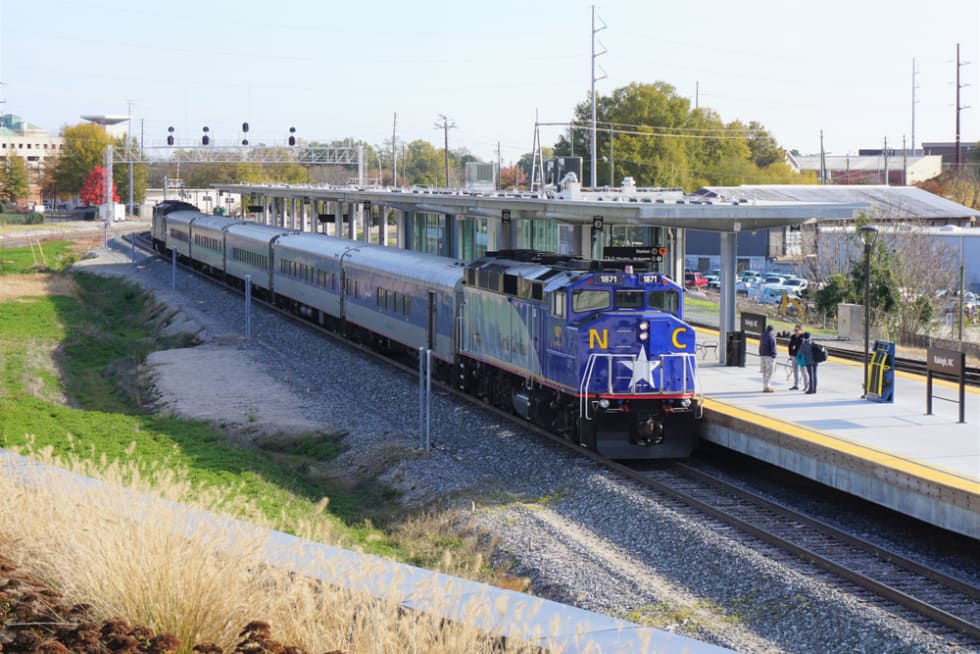
Raleigh is primarily a driving city, so transportation costs can vary based on your commute and parking needs.
Public transit is affordable through GoRaleigh, with fares at $1.25 per ride and a 31-day pass for $40, although coverage and frequency may limit its practicality for some renters.
A casual restaurant meal averages $19.50, while a three-course dinner for two usually lands around $80 before tip.
The city offers choices that suit a range of budgets. Stores like Harris Teeter, Wegmans, and Aldi help renters balance quality, price, and convenience. Farmers markets also provide fresh local produce at competitive prices.
How Much is Child Care in Raleigh, NC?
Child care is one of the more significant expenses for families in the area:
One child: $13,456 per year
Two children: $23,699 per year
Infant care usually costs more than care for older children. It is helpful to build child care into your housing and transportation budgets if you plan to move with kids.
How Much Is Healthcare in Raleigh, NC?
No matter if you visit your doctor only occasionally or need regular care for a medical condition, having health insurance in Raleigh helps make your medical expenses more manageable. It also provides peace of mind, ensuring you can afford the necessary care in the event of an unexpected emergency.
You will want to account for proper medical care when planning your budget in Raleigh, as healthcare should always be considered an essential cost. A single adult without children will pay about $3,261 in medical care costs over the year. Two working adults with two children will pay $9,874.
How Much are Utilities in Raleigh, NC?
A typical 915 square foot apartment averages $191.32 per month for electricity, water, heating, cooling, and garbage. Internet service adds about $67.26, bringing the total to $258.58 per month.
It is a good idea to confirm utility estimates during your apartment search so you can plan for a realistic monthly budget.
Fitness and Entertainment in Raleigh, NC
Staying active and entertained in Raleigh is both enjoyable and manageable. The city offers diverse fitness options that range from budget-friendly gyms to wide open outdoor spaces where you can unwind and explore.
While entertainment budgets vary from person to person, Raleigh provides many free or affordable ways to stay engaged. Exploring the extensive park system or visiting museums with free admission can make it easy to keep costs down without sacrificing experiences.
Gyms in Raleigh average $38.58 per month. Tennis lovers can rent courts for about $29.20 per hour on weekends. If you prefer to take your workout outside, Umstead State Park and the Capital Area Greenway offer miles of trails for hiking, biking, and running.
Beyond fitness, Raleigh has a vibrant cultural scene. The North Carolina Museum of Art houses an impressive collection, and residents can also enjoy free general admission to the North Carolina Museum of Natural Sciences, which features exhibits such as whale skeletons and a 3D theater.
For theater-goers and music lovers, the Raleigh Little Theatre and Red Hat Amphitheater host performances throughout the year. Foodies will also appreciate the city’s diverse restaurant scene, which spans Southern classics, global cuisine, and everything in between.
Raleigh’s park system offers thousands of acres of green space for everyone to enjoy. Pullen Park, a popular 66-acre destination, features pedal boats, a carousel, picnic areas, and outdoor fitness classes. You can also explore more local greenspaces by using the Raleigh public park directory, which makes it easy to find a nearby park that fits your interests.
How Much Are Taxes in Raleigh, NC?
Raleigh, North Carolina, has a 7.25% sales and use tax rate. This includes the 4.75% state rate and a 2.5% local tax. This rate is the same in all of Wake County, where Raleigh is located. For individual income, North Carolina's state income tax rate is 4.25% for the 2025 tax year.
Raleigh's Job Market
Raleigh, North Carolina, boasts a dynamic and diverse job market, reflecting its status as a growing metropolitan area. The city has several tech companies, like IBM, Cisco, and Red Hat, that call the greater Raleigh area home. The highest-paying industries include management positions, legal services, and healthcare.
The unemployment rate is currently 3.5% in Raleigh. In the United States, the overall unemployment rate is 4.3%.
Find Your Next Apartment in Raleigh, NC
Raleigh’s strong job market, vibrant food scene, and access to parks and cultural experiences make it an inviting place to live. With the right approach, you can find an apartment that suits your lifestyle and budget, whether you're moving out of state of across town.
Ready to start your search? Take our Apartment List quiz to get matched with apartments that fit your needs. It only takes a few minutes and can save hours of scrolling.
FAQs: What to Know About the Cost of Living in Raleigh in 2025
How expensive is an apartment in Raleigh?
In Raleigh, the current median rent is $1,374 a month. The median price of a one-bedroom is $1,211 and $1,380 for a two-bedroom.
What is the cheapest rent in Raleigh?
Rent prices vary depending on the neighborhood you choose to call home. For example, one of the most inexpensive neighborhoods in Raleigh is Cameron Village, where rent ranges from $950 to $2,150 for a one-bedroom (overall average of $1,391) and $1,250 to $2,800 for a two-bedroom (overall average of $1,815).
How expensive is it to live in Raleigh?
How expensive Raleigh gets depends on the neighborhood you live in, your social life, and how many kids you have. Overall median rent in Raleigh is $1,400. Locals must also factor in the annual cost of food, healthcare, and transportation. Food for a single person in Raleigh averages to be $3,743 a year, healthcare is about $3,363 a year, and transportation is about $9,986 a year.
What is the population of Raleigh?
The population in Raleigh is 482,425. The population in North Carolina is 10,439,388 as of the 2020 census.
What is a good salary in Raleigh?
According to the U.S. Census Bureau, the median household income in Raleigh is $86,309, or about $41.49 an hour. The standard for budgeting is that your housing cost shouldn’t exceed 30% of your monthly income before taxes.
In Raleigh, following the 30% income rule, a resident earning the median household income of $86,309 could afford a one-bedroom apartment costing around $2,158 per month. This income equates to about $7,192 a month.