It’s time to put the age-old debate of townhouse vs apartment to bed - what’s the difference, and which is the better rental option for you? Find out here!
Key Takeaways
- A townhouse is a multi-level attached home with its own entrance and one or more shared walls.
- An apartment is a unit in a larger multifamily building, often on one level, with shared hallways and amenities.
- An HOA is a homeowners association that manages shared rules and common-area costs in many townhouse communities, though renters usually don’t pay the HOA directly unless the landlord builds it into the rent.
In general, townhouses offer more space and more private-feeling features, while apartments are easier to maintain and more likely to be in denser, central neighborhoods.
Which to pick: If you want more room, your own private entrance, or better parking, pick a townhouse. If you like lower upkeep and shared amenities in a central location, an apartment is a great choice.
If you’re trying to decide between renting a townhouse vs. an apartment, there are many cost, space, privacy, and amenity aspects to consider. Townhouses are more like single-family homes with multiple stories and extra space, while apartments are typically more affordable and centrally located.
To help make that decision easier, we’ve put together this guide outlining all the key comparisons between apartments and townhouses.
What Is a Townhouse?
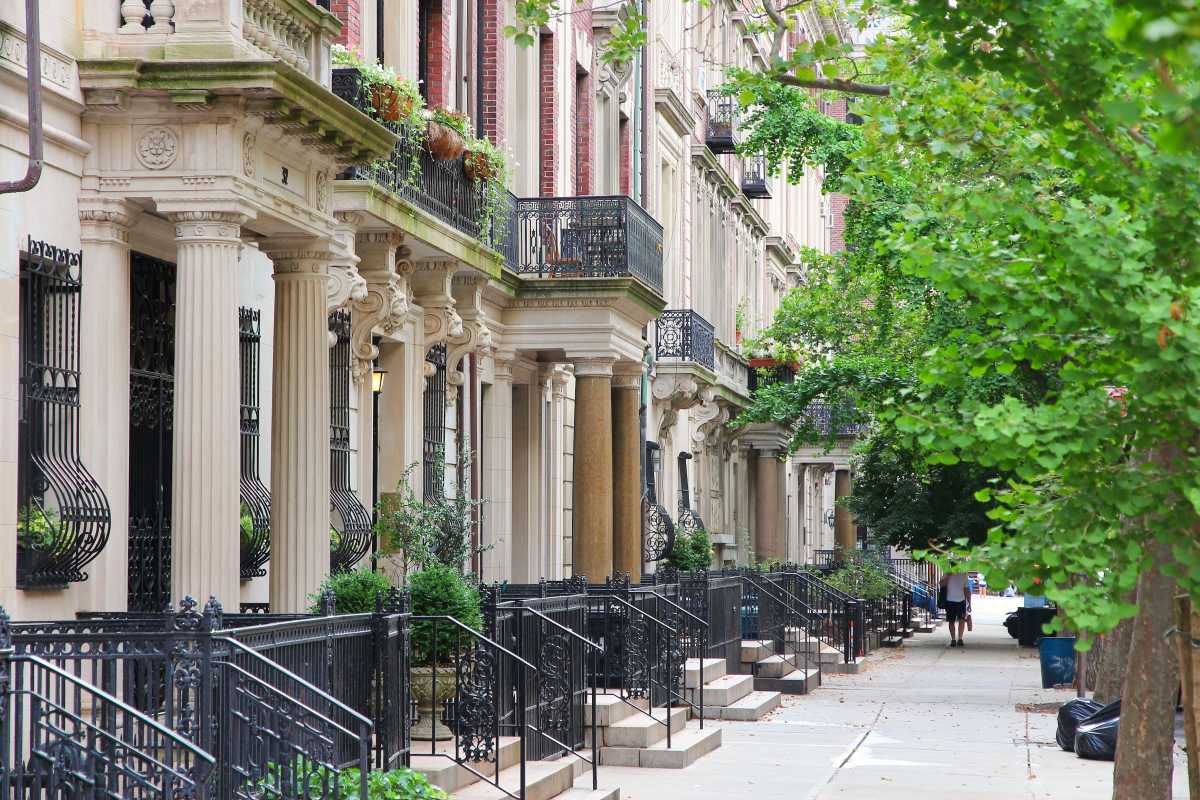
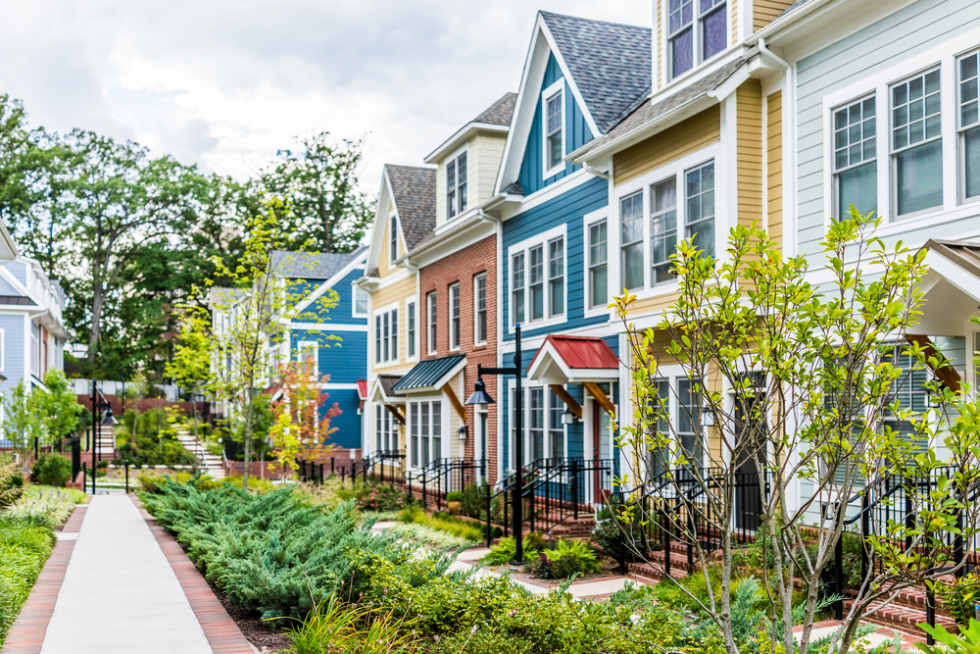
A townhouse, or townhome apartment, is a single-family attached dwelling that shares one or more walls with neighboring homes and has at least two stories. Unlike most apartments, a townhouse typically has a private exterior entrance and may include a garage, patio, or small yard.
While many people see townhouses as “suburban” homes, they’re just as prevalent in many cities. The location can have a big impact on the price, so they’re not necessarily cheaper or more expensive than apartments. A lot also depends on the market, how old the property is, and whether the place functions more like a rowhome, a build-to-rent townhome, or a condo-style unit rented out by a private owner.
What Is an Apartment?
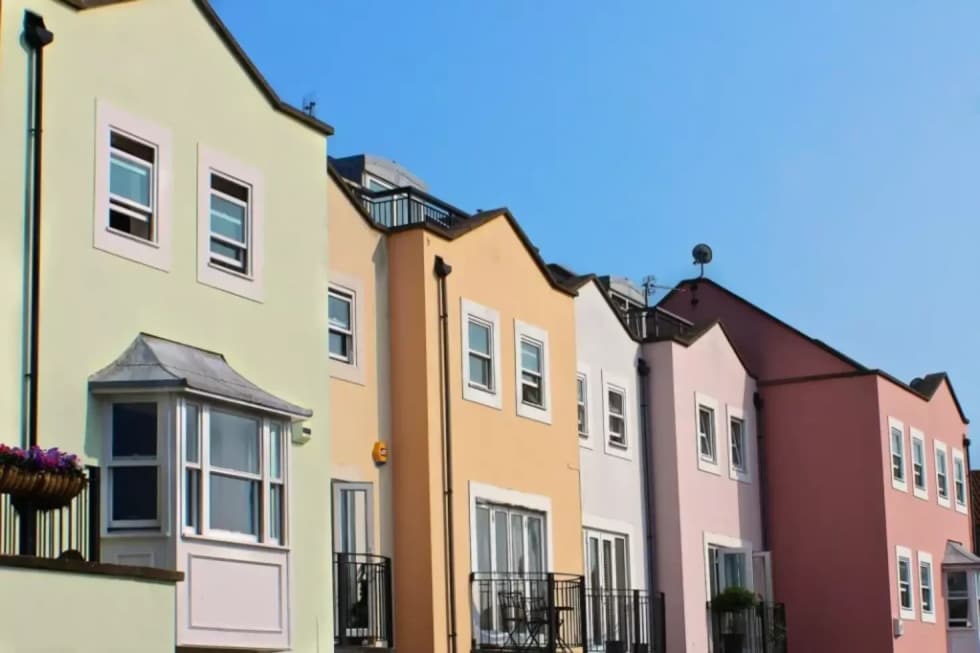
An apartment is a rental unit inside a multifamily building or complex. Most apartments are laid out on one level, and many share an entry hall, stairwell, elevator, parking area, and common amenities with other units in the building.
The style can vary drastically depending on the market.
Garden-style apartments are popular in the suburbs, while mid-rise apartments are typical in downtown districts.
Apartments vs. Townhouses
| Entrance | Usually private exterior entrance | Often shared hallway or shared building entrance |
| Parking | More likely to include driveway, garage, or assigned nearby parking | More likely to use a shared lot, garage, or permit system |
| Space | Usually larger, often on 2+ levels | Usually smaller and more compact |
| Maintenance | Lower than a detached house, but more renter responsibility may fall to you, depending on the lease | Usually more hands-off for the renter |
| Cost | Typically higher compared to apartments in the same location | Often lower, but not always in high-cost urban areas |
| Noise | Usually no upstairs or downstairs neighbors, but shared side walls are common | More likely to share walls plus ceilings/floors |
| Amenities | More likely to include private-feeling features like a patio, garage, or yard | More likely to include shared amenities like a gym, pool, or lounge |
| Location | Common in suburban and planned-community settings, but not exclusively | Common in both suburbs and urban cores |
What is an HOA, and Why Is It Important?
HOA stands for Homeowners Association. It’s an organization that manages rules and shared expenses in a residential community, including landscaping, common areas, and certain community amenities.
In townhouse communities, the HOA may also enforce rules about parking, exterior appearance, trash, pets, or yard upkeep.
If you’re renting a townhouse, the HOA fee will likely be handled by the owner, but you’ll still have to follow the rules and regulations.
What Are the Pros and Cons of Renting a Townhouse?
Pros:
- More room
- Private entrance
- Better parking
- More separation from neighbors above and below
- Home-like layout
- Private-feeling outdoor space is more common
Cons:
- Usually more expensive (when compared in the same type of location)
- More stairs
- HOA rules may still affect renters
- Less likely to come with big shared amenities
- Might be farther from dense urban cores
What Are the Pros and Cons of Renting an Apartment?
Pros:
- Usually easier to maintain
- Often cheaper at the entry level
- More likely to include shared amenities
- More common in dense, central neighborhoods
- Usually easier to tour and compare
- Fewer stairs in many layouts
Cons:
- Less privacy
- Shared entrances are common
- Noise from above or below is more likely
- Parking can be tighter
- Less storage
- Outdoor space is typically limited or shared
How Do You Choose Between a Townhouse and an Apartment?
Step 1: Think About Your Lifestyle
Ask yourself what would actually improve your life. More room? Easier parking? A shorter commute? Lower rent? Having a gym in the building? Start here.
Step 2: Decide How Much Space You Really Need
If you work from home, need two stories, want more storage, or are sharing the place with family or a roommate, a townhouse might be a better choice. If you’re okay with keeping it simple and just need a place to live without extra square footage, an apartment may be the better fit.
Step 3: Think About Noise and Privacy
Townhouses still have shared walls, but not upstairs or downstairs neighbors. Apartments aren’t necessarily loud. It really depends on whether it’s a good building and how noisy the other tenants are, but in dense areas where there’s lots of construction and commotion, it might be hard to find peace.
Step 4: Compare the Full Cost Beyond Rent
Look at:
- Base rent
- Parking
- Utilities
- Pet fees
- Amenity Fees
- Commute costs
- Storage or garage value
A townhouse might cost more on paper, but if it gives you the usable space you need, the extra cost could be worth it.
Step 5: Ask the Right Questions
For either option, ask:
- Who manages maintenance?
- What noise complaints are most common here?
- Is parking included?
- Are there HOA or building fees that impact renters?
- What utilities are separate?
- How are neighbors arranged around the specific unit?
Step 6: Pick the Tradeoff You Prefer
This is really what it comes down to. A townhouse might give you more room to spread out and feel like a home, while apartments are typically simpler in the way they’re set up. That doesn’t mean either is better. It’s completely preferential.
How Do You Find a Townhouse?
Finding a townhouse isn’t too difficult if you know where to start! Here are some steps to help you find the townhouse of your dreams.
Consider Your Budget
Start with the same budgeting basics you would use for any rental. The 30% rule is still a useful gut check. Try not to spend more than 30% of your gross monthly income on rent.
You can use our rent calculator for budgeting assistance.
Think About Your Priorities
People who rent townhouses often do so because they want:
- A garage or driveway
- A patio or yard
- More bedrooms
- More space and storage
- Less noise from upstairs and downstairs neighbors
If you’d rather be close to the city center with more access to local amenities and nightlife, or if you prioritize updated gyms, package lockers, and low-maintenance living, an apartment might be better suited to you.
Test Out the Commute
Commute time is a huge consideration for many renters. No one wants to slog through a two-hour commute twice a day, even though there’s a class of super-commuters who do this daily!
Consider your commute time and preferred mode of transportation when choosing a townhouse you like.
Not all townhouses are farther out of the city, so you can often have the best of both worlds.
Prepare for Tours
When touring a townhouse, there are many things to ask about:
- Which walls are shared
- What’s the parking setup
- Whether the entrance is private
- Who maintains the exterior
- Whether there's an HOA
How Do You Apply for a Townhouse?
The apartment application process can differ depending on your landlord or property manager’s practices.
In addition to completing the application, you’ll need to provide information confirming your identity, income, job, rental history, and consent to a background or credit check.
The landlord will likely ask you to provide references as well.
How Do You Find a Cheap Townhouse?
Cheaper townhouses are usually easier to find when you widen the location search. Townhouses in the heart of cities will almost always be comparatively more expensive.
That said, if you are looking in the city during the right time of year and catch a move-in special, you may be able to save big on rent or snag a free month.
If your priority is saving money and you don’t mind sharing your space, then a roommate is the way to go. If you split rent with a roommate, you’ll only be responsible for paying half the cost of rent.
When’s the Best Time to Rent a Townhouse?
If your goal is lower rent, the best time to rent an apartment is in January or February. Summertime is typically more competitive, though you can also find more options with better summer inventory.
How Do You Protect Yourself from Rental Scams?
Rental scams are expensive.
The FTC’s latest data from December 2025 noted that since 2020, people had reported nearly 65,000 rental scams and about $65 million in losses.
That’s why it’s important to know how to spot and avoid rental scams.
Rental Scam Checklist:
- See the place in person or with a live video tour
- Look up the address and compare it across multiple sites
- Be wary of rent that’s way below market value
- Never pay by wire transfer, gift card, or crypto
- Never hand over money before you have verified the landlord or manager
- Watch for excuses about why they can’t show the unit
- Read the lease before sending a deposit
- Trust your gut if the listing feels rushed or weird
Which Is Better for You? A Townhouse or an Apartment?
The better choice between a townhouse and an apartment depends on your priorities and lifestyle. A townhouse is ideal if you want extra space, multiple stories, and a quieter, suburban setting with added amenities like garages or small yards. An apartment is often the better fit if you value affordability, low maintenance, and a central location close to work, nightlife, and public transit.
Either way, when you're ready to find your new home, our personalized quiz can help you find your next apartment.
FAQs About Townhouses vs. Apartments
Is a townhouse cheaper than an apartment?
Usually not, but it depends on the market. Townhouses often cost more because they’re usually larger and include additional features, like parking or an outdoor space.
Do townhouses always have HOA fees?
No, but many townhouse communities do have an HOA. If you are renting, the fee is often handled by the owner and built into the overall cost.
Are townhouses good for families?
Yes, townhouses are a good choice for families because they offer multiple bedrooms, more privacy, and extra features like garages or small yards.
Which has better amenities: townhouses or apartments?
Apartments usually have better shared amenities like pools, gyms, and lounges. On the other hand, townhouses may include private amenities such as garages, patios, or yards.
How do I choose between renting a townhouse or an apartment?
Choose a townhouse if you want more space and privacy. Pick an apartment if you prefer affordability, low maintenance, and a central location.