$3,850
5201 Kinnabeck Lane, Columbus, OH 43220(380) 205-0733Rent Savings
- 4 units available
- 4 bed
- Amenities
In unit laundry, Patio / balcony, Pet friendly, 24hr maintenance, Garage, Stainless steel + more
Verified listing
Verified

Micro-apartments, also known as micro-units, are one-room apartments typically smaller than studios and have self-serving facilities, including a private bathroom and kitchenette. Think of micro apartments as super-efficient studio apartments.
Micro-apartments are the trend-setting standard for tiny dwellings in city centers. These small apartments embody the spirit of tiny home living, all within an urban atmosphere with all the amenities you could hope for.
In this article, we explore everything you should know about micro-apartments, who they’re right for, and how to find them.
Micro-apartments (AKA micro-units) are smaller-than-average studio apartments (i.e., one-room apartments) with a footprint typically between 200 and 400 square feet. Micro-apartments are NOT small one-bedrooms. They’re usually a studio-style, open-concept area where a bedroom, living space, and kitchen blend together.
You can also think of a micro-apartment as an efficiency apartment with small amenities, complete with a lofted bed to free up precious space. However, micro-unit renters usually enjoy more upscale apartment amenities and convenient locations for smaller price tags.
Despite the small size, micro-units are designed for maximum efficiency. They often have high ceilings and oversized windows to make them feel larger than they really are. Pick the right city and location, and your small apartment may feature dazzling city views.
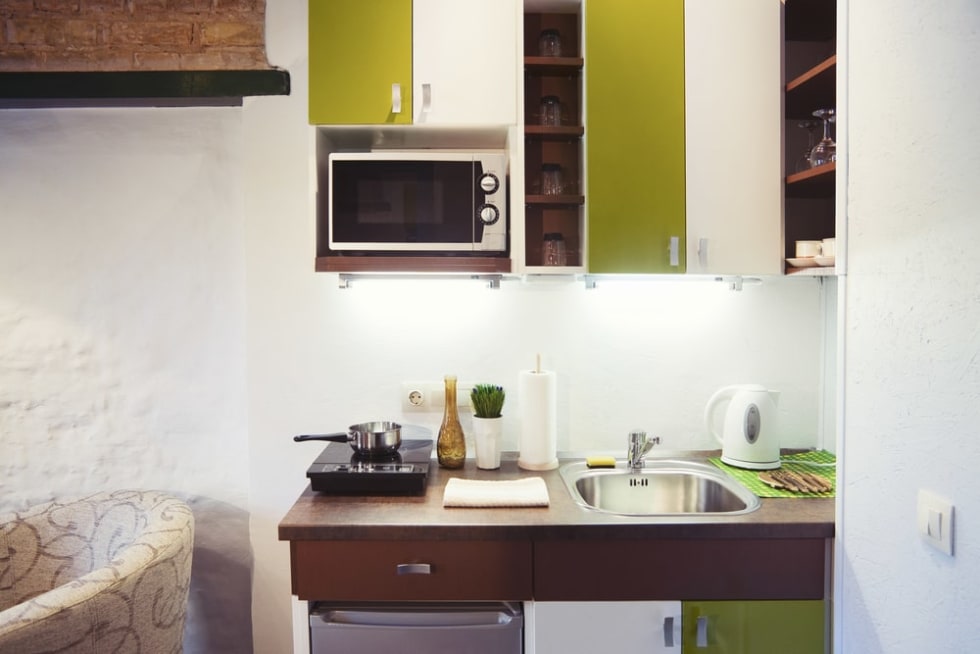
There are many pros to living in a micro-apartment, including:
The obvious disadvantage of the micro-unit is limited space, which can translate into a few issues:
Micro-apartments accommodate a diverse range of ages and demographics. However, they are targeted towards single twenty-somethings and millennials with city jobs. Their income levels are often higher than most, and people in that demographic are looking for everything urban living has to offer, from pubs and restaurants to museums and parks.
Micro-living is all about lifestyle and convenience. It simply isn’t ideal for everyone. These cozy apartments usually aren’t right for families or anyone struggling to make ends meet.
And due to their small size, micro-apartments aren’t suitable for roommates or long-term visitors who want to stay indefinitely.

You’ll wake up with the sun streaming through the window and start your day by padding down the loft steps to brew coffee. Since micro-apartments are small, you’ll pick up after yourself as you start getting ready for the day.
The bathroom and kitchen are only a few steps away from each other, so you’ll smell your coffee percolating as you finish your shower.
If you work from home, you'll need a dedicated work desk set up, likely a few feet away from your bed. Some apartment complexes may have a shared coworking space as one of their amenities.
Just keep in mind, when you get home at night, the reduced size means you'll have to get a lot done within a small space. Consider solutions like TV projectors, convertible tables, and, unless an activity requires the entire space within an empty room to perform, you'll be able to do it in a small area.
Micro-apartments are popular in densely populated cities and common in large European and Asian cities. Micro-apartments have begun to spring up in cities like New York, Seattle, and Boston in recent years, and last year, 2.4% of all new apartment units were micro-units.
Other cities, such as Honolulu, Seattle, and San Francisco, have the highest concentration of micro-apartments, with some having more than 10% of their housing categorized as micro. That said, micro-apartments are still less common than traditional apartments in the U.S.
Finding the right amenities and features is key when choosing a micro-apartment. Without the right layout and space-saving features, micro-apartment units can feel positively cramped.
Here are the top features to look for in micro-units:
Look for features that create the illusion of space. Those can include high ceilings, balconies, or decks. They may also feature storage solutions like vertical cabinets to keep your micro-apartment feeling as spacious as possible.
An upscale micro-apartment building also features common spaces like spacious lobbies and rooftop decks. Those areas allow residents to spread out and gather for an evening of socializing.
Take note of apartment buildings that offer resident storage in a common area, such as a basement. Additionally, some complexes may have bike racks that can further maximize your apartment space.
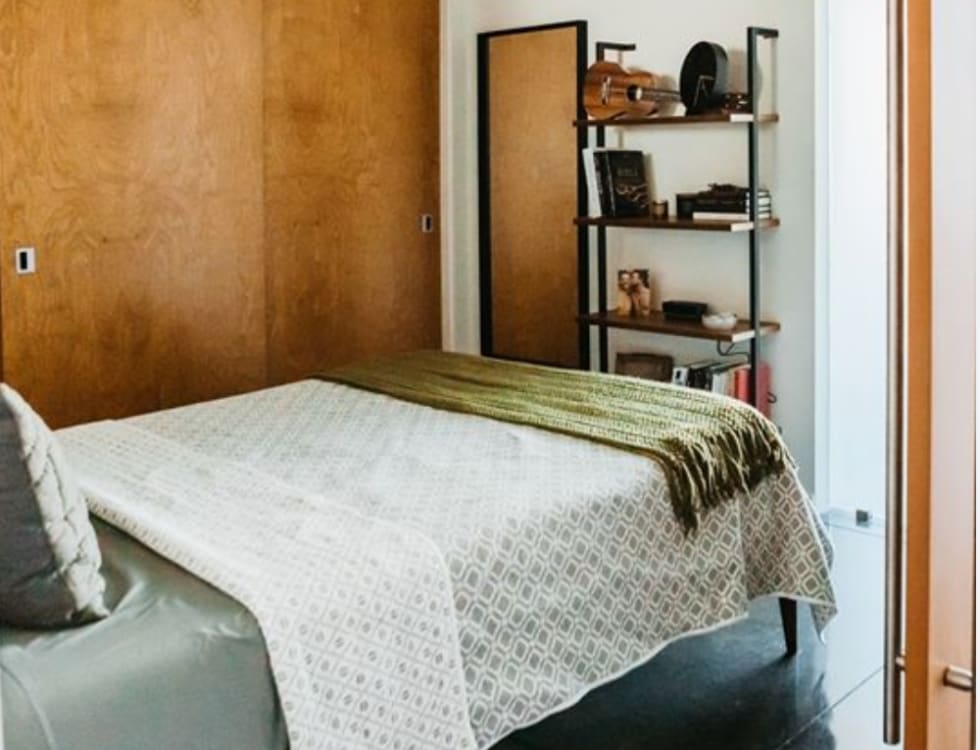
Your best bet for finding micro-apartments is to look in a city’s downtown area or adjacent neighborhoods.
Trendy areas full of nightlife and amenities are also hotspots for micro-apartments and complexes. Although not impossible, you’re less likely to find micro rentals in the suburbs or neighborhoods known for cheap rent and spacious dwellings, but they are becoming increasingly popular.
If you have your heart set on a micro-apartment, start looking as early as possible. Apartment hunting in competitive cities like New York and Boston can be time-consuming, as it takes effort to find the rental you want. Take notes of buildings and complexes that have micro-units and check back with the landlord or property managers frequently.
Most micro-units are between 200 and 400 square feet. They're not small one-bedroom apartments. Instead, they're usually an open concept area where your living room, bedroom, and kitchen all blend.
Here’s where you need to come prepared. Micro apartments are usually a trade-off. You typically get to live in a fantastic city for less rent than you would in a larger space. However, if you decide you need a decent-sized sleeping area, you should have an idea of your ideal layout.
You may want more separation of space or enough room to add some screen dividers. You may also be fine with a tiny micro-apartment as long as there’s an on-site gym, rooftop terrace, and swimming pool.
Know what you’re looking for in your micro apartment before you start your search to score the place you want.
Online listings are also an ideal place to find your micro-unit. Checking online listings like Apartment List for a wide range of rentals, including micro-apartments. We offer over 5 million listings for apartments across the US.
Whatever online listings you can use these search terms to find micro-units, such as: “micro condos,” “micro rentals,” “tiny apartments,” and small studio apartments.”
Whenever possible, visit the space in person or request photos and a live video walk-through. A tour gives you a better feeling of just how small a micro-apartment is and how comfortable you may feel in the space.
For a successful tour, come prepared with questions to ask about micro-apartments and other units.
Once you’ve found your perfect, cozy micro-apartment, it’s time to apply and sign your lease.
Come with cash on hand for your application fees, credit cards, and a few checks, just in case one payment is preferred over another. You’ll also need identification, proof of employment such as a pay stub, and possibly references.
You can save yourself time and resources by calling ahead before your next tour. Inquire about what documents are required to sign a lease on a micro-apartment, and come over-prepared.
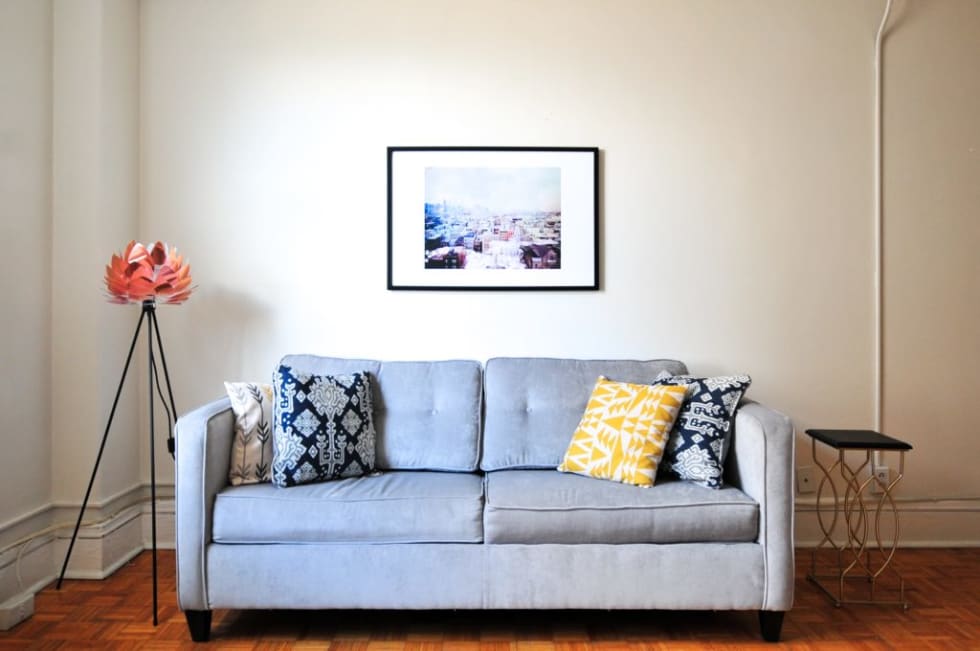
Micro-apartments are a fantastic opportunity for anyone looking to live in the heart of a thriving city center. If your dream city is calling your name, but the rent prices for a one-bedroom are out of reach, what do you do? Search for some micro-units. They're also perfect if you want more privacy and are ready to leave your roommate days behind you!
Yes, micro-apartments have become increasingly popular around the world, including in the United States. Most micro-units can be found in large cities such as Denver, New York, and Boston.
Micro-apartments are usually considered a good investment because they are typically in sought-after neighborhoods close to downtown areas.
Micro-apartments are popular because they often offer great amenities and provide the right amount of space for one person to live comfortably in a busy city.
The main difference between a studio and a micro-apartment is that a micro-apartment is even smaller than a studio and contains all the basic amenities. Studios typically have slightly larger square footage than a micro-unit.




In unit laundry, Patio / balcony, Pet friendly, 24hr maintenance, Garage, Stainless steel + more
In unit laundry, Patio / balcony, Pet friendly, Stainless steel, Walk in closets, Gym + more