$3,850
5201 Kinnabeck Lane, Columbus, OH 43220(380) 205-0733Rent Savings
- 4 units available
- 4 bed
- Amenities
In unit laundry, Patio / balcony, Pet friendly, 24hr maintenance, Garage, Stainless steel + more
Verified listing
Verified
You finally found the perfect apartment. You unpacked. You brought a peace lily home because it looked pretty in that one video. Then your cat took a bite out of it, and after frantically Googling “plants that are poisonous to cats,” you spent your Saturday night at the emergency vet.
Welcome to every plant-owning pet parent’s nightmare.
The good news: you don't have to choose between a plant-filled home and a healthy pet. These five ASPCA-verified non-toxic houseplants are safe for cats and dogs, plus they look great and will survive in your apartment, even if you have a busy lifestyle and can’t keep up a watering schedule to save your life.
Renter tip: Want a place with enough natural light for a pet-safe jungle? Take the Apartment List Quiz to get matched with your perfect sun-drenched apartment.
| Plant | Light Needs | Difficulty |
|---|---|---|
| Spider Plant | Low-Medium | Easy |
| Parlor Palm | Low | Easy |
| Cast Iron Plant | Low | Very Easy |
| Boston Fern | Indirect | Moderate |
| Peperomia | Bright Indirect | Easy |
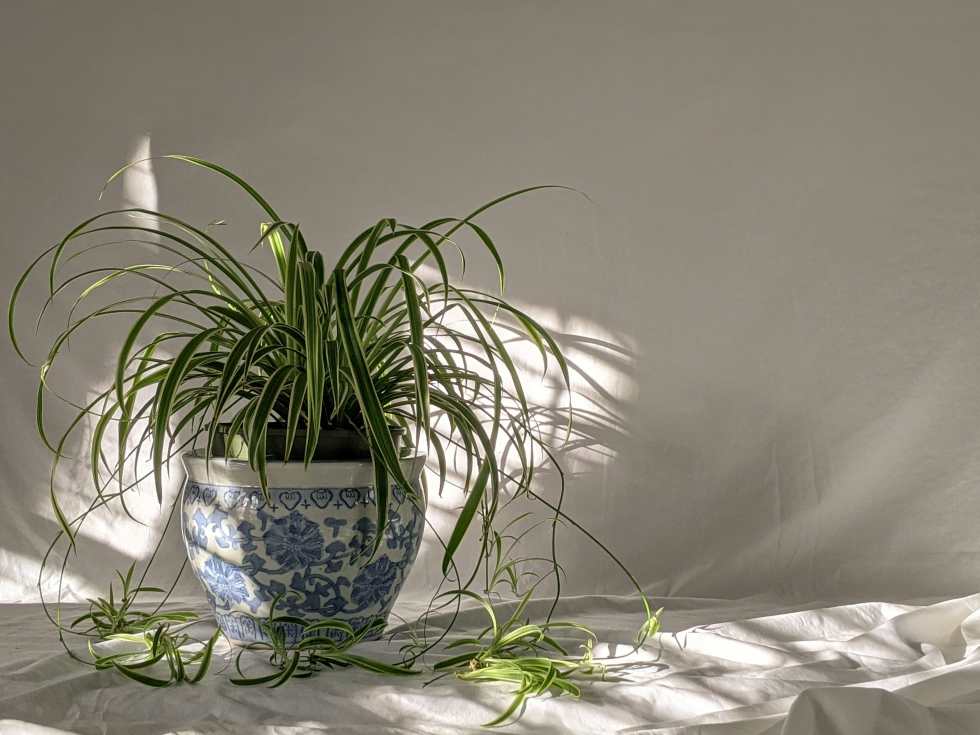
Yes. According to the ASPCA, spider plants are non-toxic to both cats and dogs.
You already have a pet to take care of. You don't need another high-maintenance living thing staring you down every morning.
Spider plants are cute and don’t mind being a little neglected. They can handle missed watering days, don't care much about inconsistent light, and if your cat takes a nibble of their trailing leaves, there’s no need to panic. They're also cheap and won't die while you're traveling for work.
Why they work for renters: Low drama. Easy to move. Easy to propagate.
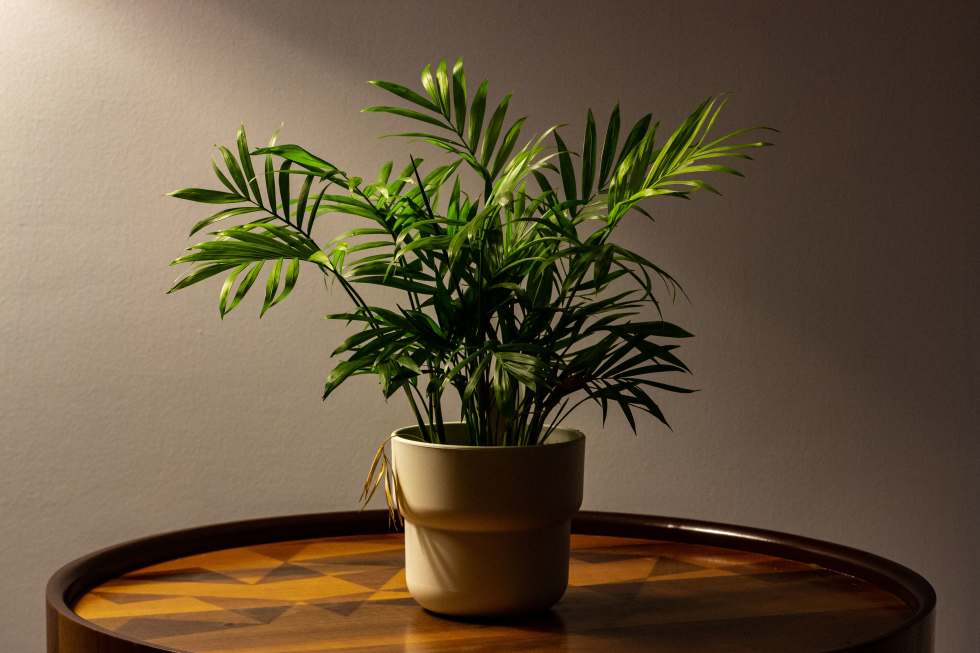
Parlor palms thrive in low-light apartments, look like they belong in a resort hotel lobby, and you don’t need a professional-level green thumb to keep them alive. These little palm trees are the pet-friendly answer to all those gorgeous but toxic statement plants flooding your explore page.
They don’t mind getting moved around the apartment when you rearrange your furniture, and they add color to the room without taking it over.
Why they work for renters: Thrives in limited light. Makes a small space feel curated.
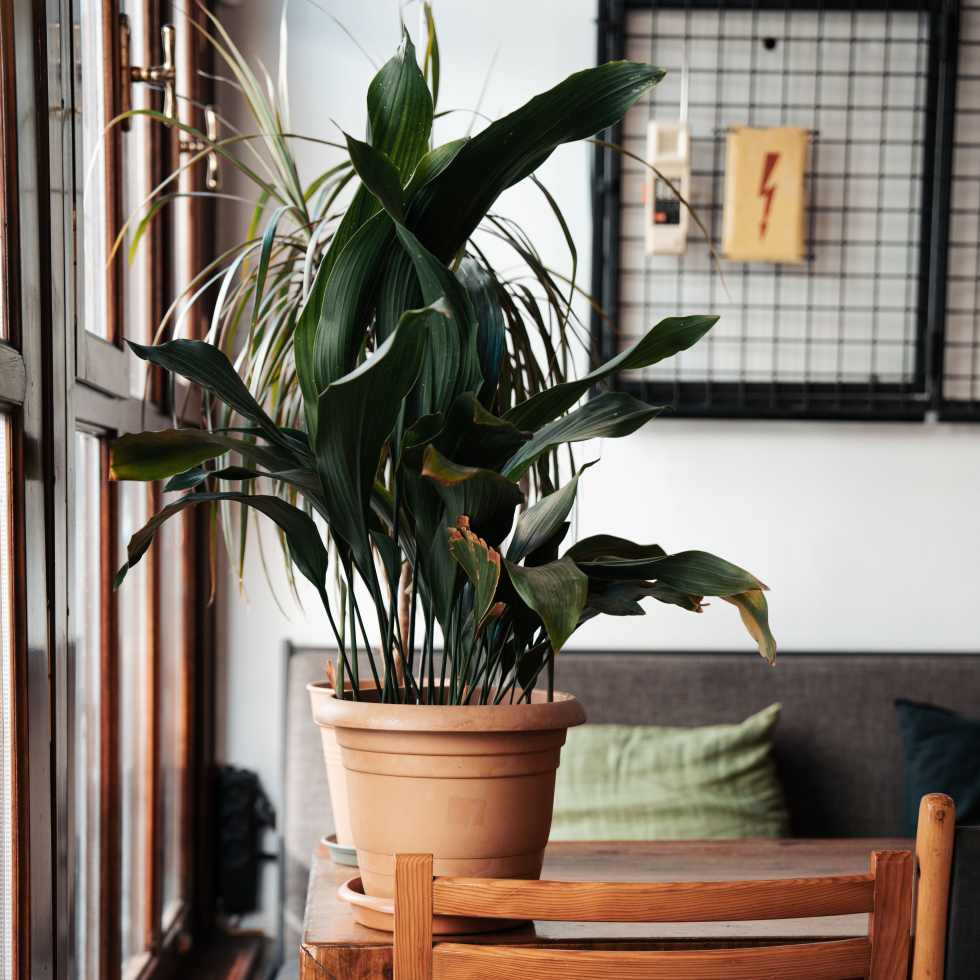
Not even a little. If you love the look of highly toxic peace lilies but your best friend has paws, opt for a cast iron plant. These lush green houseplants are happy in low-light rooms, and they’ll survive a puppy attack. Just be careful when repotting: oversized pots that hold too much moisture can lead to root rot.
Why they work for renters: Basically indestructible. Adds natural color to sterile, "millennial grey" apartments.
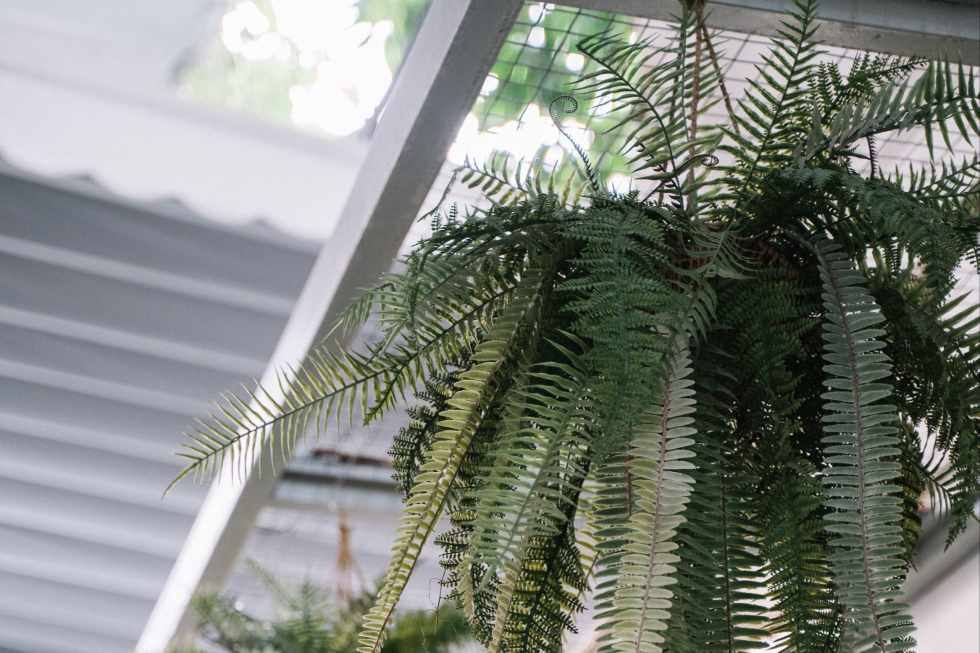
Apartment bathrooms are rarely a focal point. Hanging up a Boston fern fixes that.
They love humidity—like the steam from your shower—and they're happy with just a small window and indirect light. And yes, they're safe for the pets who inevitably wander in for a midnight snack.
Boston ferns aren’t always lightweight plants, so if you decide to hang one from your wall or ceiling, check your lease first to make sure it allows for small holes, and patch up the hole when you move out.
Why they work for renters: Low light, high humidity, high reward.
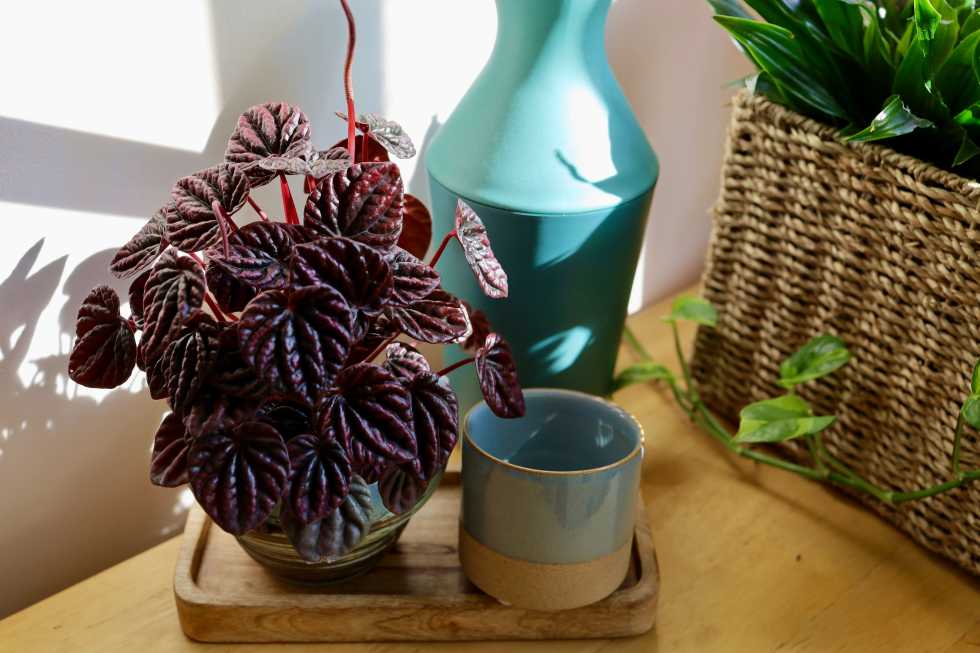
Peperomias stay small as they grow, which is ideal if you’re short on square footage. Nicknamed “radiator plants,” they like it warm and dry, making them great for apartments that run hot in the winter. They fit on a windsill, come in dozens of varieties, and are pretty easy to keep alive.
TL;DR: low drama, high reward.
Why they work for renters: Small footprint. Easy to move. Thrives in desert-like apartments.
Not every apartment is the same. Your place might have one decent window, inconsistent heat, or a roommate who's always closing the curtains.
Choosing the right ASPCA-approved houseplant just means knowing which ones work for your lifestyle—small space, busy schedule, and hangry cat included.
All of the plants below are ASPCA-verified as non-toxic to cats and dogs:
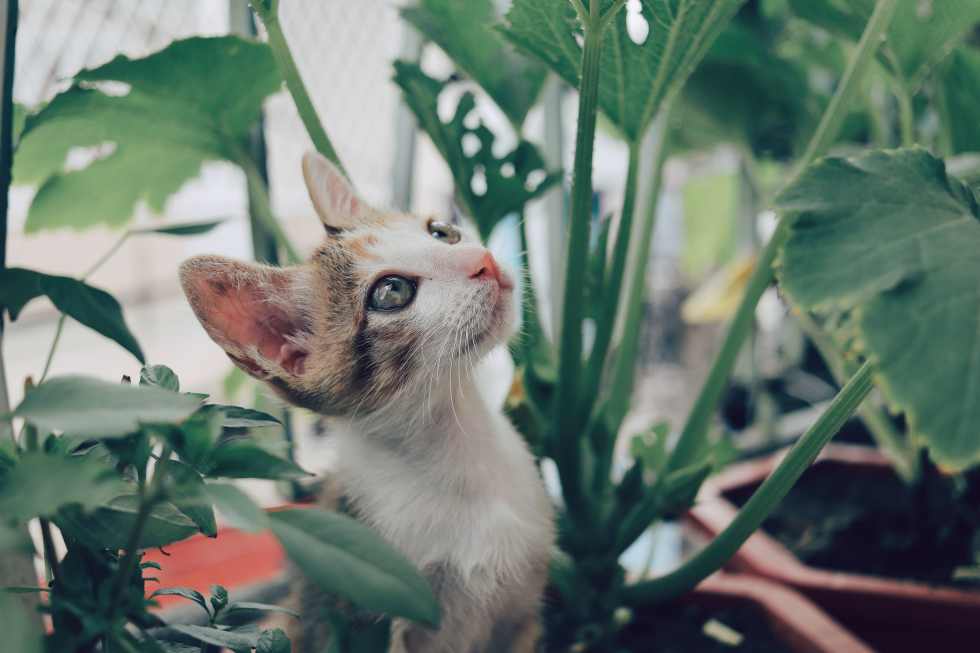
Some of the most popular houseplants are also the most dangerous for cats and dogs. If you already have one, we’re not here to judge you. But if your pet treats every plant like a snack bar, it's worth swapping them out.
| Toxic Plant | Risks to Pets | Pet-Safe Alternative |
|---|---|---|
| Lilies | A single leaf can cause fatal kidney failure in cats within 72 hours. | Cast Iron Plant |
| Sago Palms | Can cause liver failure in both cats and dogs. | Parlor Palm |
| Snake Plants | Causes nausea, vomiting, and diarrhea in cats and dogs. | Spider Plant |
| Pothos | Contains tiny calcium oxalate crystals that cause intense burning, drooling, and difficulty swallowing. | Peperomia |
| Philodendrons | Just like Pothos, these plants contain microscopic crystals that will irritate your pet’s mouth. | Boston Fern |
| Aloe Vera | Causes tremors, vomiting, and lethargy in cats and dogs. | Echeveria |
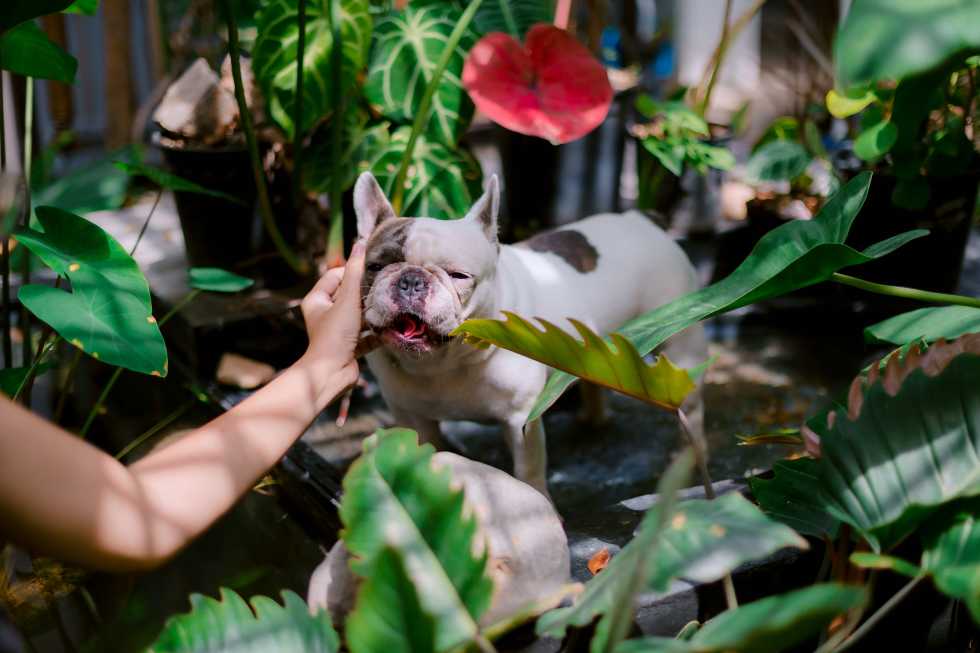
Keeping your pet away from your plants helps keep everybody in the apartment healthy and happy. Here's how to do both without losing your security deposit.
Check your lease before you start hanging plants. Hanging plants out of reach helps keep them safe from even the most Olympically-inclined of high-jumping cats. Most leases allow small holes for nails. Just be sure to double-check before you drill anything.
Protect your floors & furniture with trays. Use plant trays (or repurpose clean plastic containers from old takeout orders) to catch water and protect your hardwood or carpet from moisture damage, which is something your landlord will definitely notice.
Try cat grass as a decoy. If your cat craves salad, give them something they're allowed to eat instead. Cat grass (usually wheat, barley, rye, or oat grass) is non-toxic and ASPCA-approved.
Cover the soil. If your dog loves digging or your cat wants to use your plants as a litter box, deter them by covering the soil with pebbles.
The best pet-safe indoor plants for renters are the spider plant, parlor palm, cast iron plant, Boston fern, and peperomia. All are ASPCA-verified non-toxic to cats and dogs, and they’re great for unpredictable apartment conditions like limited light and inconsistent watering.
Watch your pet closely. Even if a plant is certified 100% pet-safe by the ASPCA, eating half a spider plant will still probably cause an upset stomach. You’ll likely see some mild drooling or vomiting. If your pet continues to throw up, call your local emergency vet.
Only some of them. Echeveria and burro's tail are non-toxic, but popular apartment staples like jade plants and aloe vera are highly toxic to both cats and dogs. Before you buy a cute random succulent, verify the exact variety.
Cast iron plant or parlor palm. They’re both easy to find at local stores, don't care if your apartment lacks natural light, and won't trigger an emergency vet run if your dog decides they need more greens in their diet.
Yes, and it’s a bummer because they look great. Snake plants contain chemical compounds called saponins. If your pet eats one, it can cause vomiting and diarrhea.
No. Peace lilies are extremely toxic to both cats and dogs. Despite how common they are, they're one of the most dangerous houseplants for pet owners.
If you think your pet has ingested a toxic plant, don't wait for symptoms to appear. Immediately contact your local emergency veterinarian or call:
Always verify plant safety with the ASPCA's full toxic and non-toxic plant database before bringing a new plant home.

In unit laundry, Patio / balcony, Pet friendly, 24hr maintenance, Garage, Stainless steel + more
In unit laundry, Patio / balcony, Pet friendly, Stainless steel, Walk in closets, Gym + more